
Zirconia vs. Acrylic Teeth for Full-Mouth Dental Implants
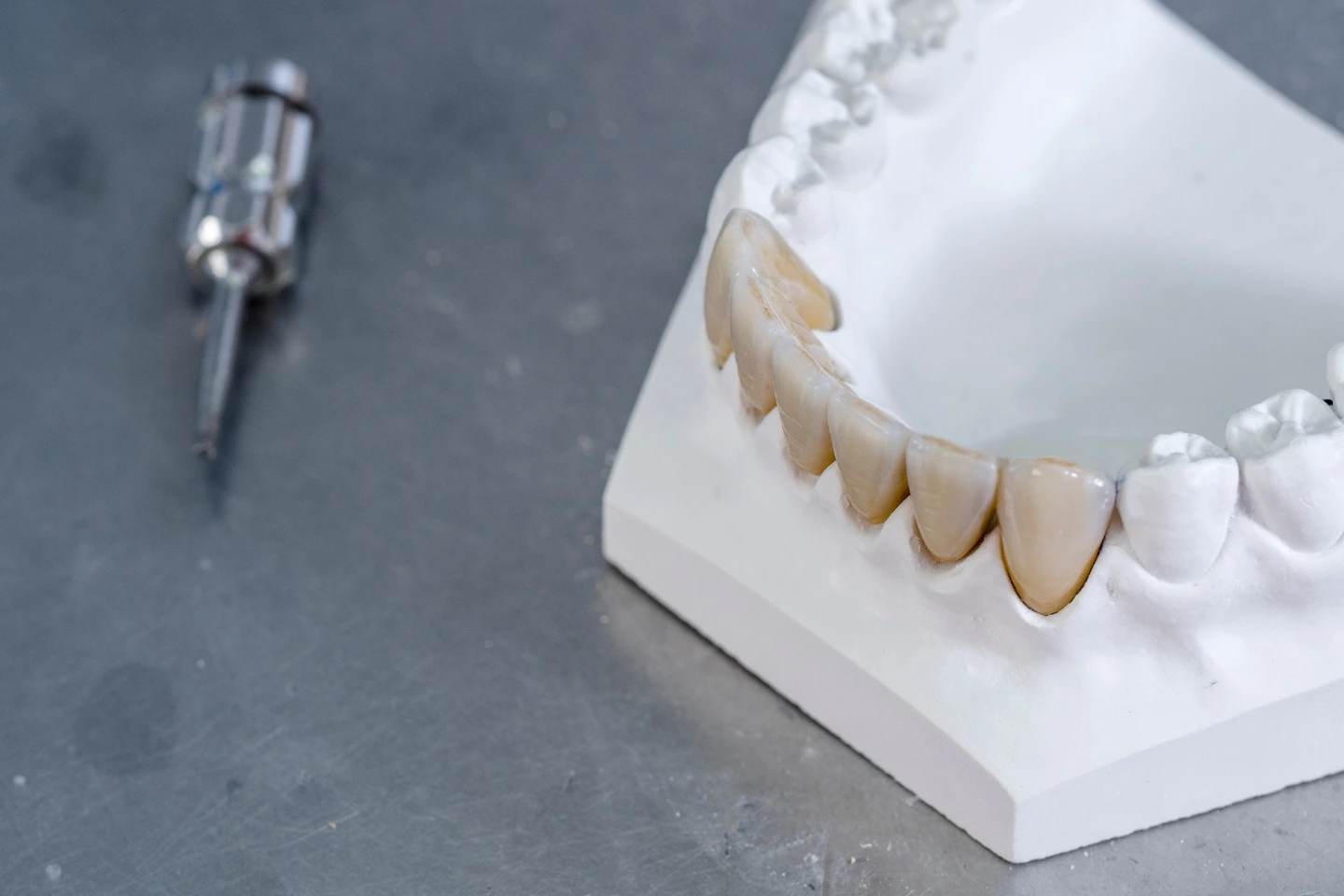
When you make the decision to invest in a full-mouth restoration, you are doing more than just fixing your teeth. You are choosing how you will eat, speak, and smile for the next several decades. At Taunton Dentistry & Implants PC, we know that the technical details can feel overwhelming. Once you have decided on the surgery itself, the next big question is what your new teeth will actually be made of.
For most patients looking into dental implants in Taunton, MA, the choice comes down to two primary materials: acrylic (often reinforced with a metal bar) or zirconia. Both have their place in modern dentistry, but they offer very different experiences in terms of weight, durability, and how they feel in your mouth. Let’s take a human look at the pros and cons of each to help you decide which material fits your lifestyle.
The Traditional Choice: Acrylic (Hybrid) Bridges
Acrylic has been a staple in dentistry for a long time. When used for full-mouth implants, these are often called hybrid bridges. They consist of a titanium or chrome-cobalt metal bar that is hidden inside a base of pink acrylic (the "gums") and acrylic teeth.
The Benefits of Acrylic
The most significant advantage of acrylic is that it is a softer material. This can be beneficial because it acts as a bit of a shock absorber for your jaw. If you are someone who clenches or grinds your teeth, the "give" in acrylic can be more forgiving on the implant posts beneath the gums. Additionally, acrylic is generally more budget-friendly upfront compared to high-end ceramics.
The Challenges of Acrylic
Because acrylic is a type of plastic, it is porous. Over time, it can absorb odors and stains from coffee, tea, or red wine. It is also prone to wear and tear. After a few years, the teeth may begin to look flat or dull, and the acrylic can sometimes chip or pop off the metal bar, requiring repairs. Most acrylic bridges will eventually need to be "refreshed" or replaced as the material degrades.
The Premium Standard: Zirconia Bridges
Zirconia is a relatively modern addition to the world of full-mouth restoration, and it has quickly become the preferred choice for many patients. Zirconia is a type of high-strength ceramic that is milled from a single solid block of material.
The Benefits of Zirconia
Zirconia is incredibly strong. It is virtually "chip-proof" and does not wear down like acrylic does. One of its best features is that it is non-porous. This means it will not absorb stains or odors, staying as bright and fresh as the day it was placed. From an aesthetic standpoint, zirconia has a translucent quality that mimics natural tooth enamel beautifully. It feels smooth to the tongue and is generally thinner and less bulky than acrylic options.
The Challenges of Zirconia
The main hurdle for zirconia is the cost, as it is a more expensive material to produce and customize. It is also much heavier and harder than acrylic. Because it has no "give," some patients notice a different sound when they click their teeth together. It requires extreme precision during the design phase at Taunton Dentistry & Implants PC because, unlike acrylic, it cannot be easily "patched" if a major change is needed later.
Comparing the Daily Experience
Imagine sitting down to a dinner with friends. If you have an acrylic bridge, you might notice that the material feels slightly thicker in your mouth. While you can eat most things, you have to be mindful that very hard foods could potentially chip the plastic teeth over time. You also have to be diligent about cleaning, as the porous nature of the material can trap bacteria more easily.
With zirconia, the experience is often described as more "natural." Because the material is so strong, the bridge can be designed to be sleeker, leaving more room for your tongue. You can bite into an apple or a crusty piece of bread with total confidence, knowing the ceramic is strong enough to handle the pressure. Because it is essentially a polished stone, it feels very clean and smooth against your lips and gums.
Longevity and Value for Your Investment
When considering dental implants in Taunton, MA, it is helpful to think about the long-term cost. Acrylic is cheaper on day one, but if you have to replace the teeth every five to seven years due to wear or staining, the costs can add up.
Zirconia is designed to be a permanent solution. While the initial investment is higher, the likelihood of needing a replacement is significantly lower. For many patients, the peace of mind that comes with a "one and done" material is worth the extra cost.
Making the Best Choice for Your Smile
At Taunton Dentistry & Implants PC, we don't believe in a "one-size-fits-all" approach. The right material for you depends on your bite, your habits, your aesthetic goals, and your budget.
If you are looking for a reliable, repairable, and cost-effective entry into full-mouth implants, acrylic might be the perfect fit. If you want the absolute highest level of durability, stain resistance, and a lifelike appearance, zirconia is often the superior choice.
Our goal is to help you navigate these options so that you feel 100 percent confident when you finally debut your new smile. We take the time to show you samples of both materials and explain how each will function within your specific treatment plan.
Contact Taunton Dentistry & Implants PC today to schedule your consultation for dental implants in Taunton, MA. Let’s find the perfect material to bring your smile back to life.
Frequently Asked Questions
Q: Does zirconia feel heavy in the mouth?
A: While zirconia is a denser material than acrylic, it is attached to your jawbone via the implants. Once your mouth adjusts to the new teeth, you generally do not "feel" the weight at all. Most patients find it feels much more natural than a removable denture.
Q: Can I change the color of my teeth later?
A: No. Whether you choose zirconia or acrylic, the color is set once the final bridge is made. Zirconia is better at maintaining that color over time, whereas acrylic may yellow or stain as the years go by.
Q: Is one material better for my "opposite" teeth?
A: This is a great question. If your upper implants are biting against your natural lower teeth, we have to consider the wear on those natural teeth. Zirconia is very hard, so it must be perfectly polished to ensure it doesn't act like sandpaper on your natural enamel.
Q: What happens if a zirconia bridge breaks?
A: Because it is milled from a solid block, zirconia is very difficult to break. However, if a major fracture does occur, the entire bridge usually needs to be remade. In contrast, a small chip in an acrylic tooth can often be repaired in the office.
Q: Is one material easier to keep clean?
A: Zirconia is generally easier to maintain because its surface is so smooth that plaque has a hard time sticking to it. Both require regular brushing and professional cleanings with an oral hygienist who is experienced in implant care.



Hours
Monday–Thursday: 9 AM – 5 PM
Friday–Sunday: Closed


© 2026 Taunton Dentistry & Implants | All Rights Reserved | Privacy Policy | HIPAA Policy | Digital Marketing by Remedo