
How Surgical Dentistry Protects Your Oral Health After Trauma or Decay
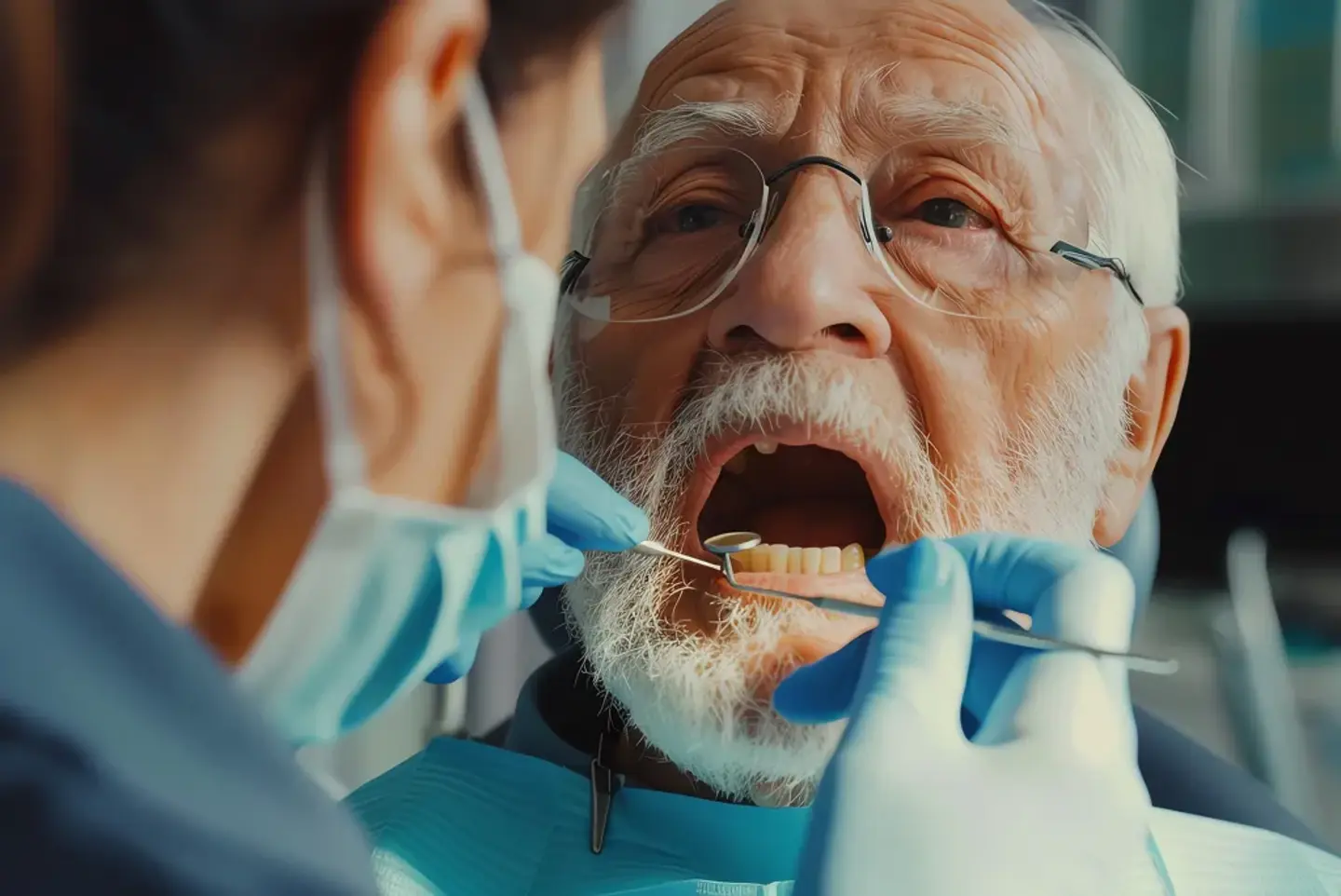
Oral trauma and advanced tooth decay can significantly impact your dental health if left untreated. When damage goes beyond what traditional treatments can manage, surgical dentistry plays a critical role in restoring function, preventing infection, and preserving long-term oral health. Understanding how surgical dental procedures work can help patients make informed decisions when facing complex dental issues.
What Is Surgical Dentistry?
Surgical dentistry refers to specialized dental procedures designed to treat severe oral conditions involving the teeth, gums, jawbone, or surrounding tissues. These procedures are commonly recommended when trauma, deep decay, infection, or structural damage threatens oral health.
Common surgical dentistry procedures include tooth extractions, wisdom tooth removal, dental implant placement, bone grafting, and surgical treatment of dental infections.
Treating Dental Trauma with Surgical Care
Accidents, sports injuries, and falls can cause cracked teeth, fractured roots, or damaged jawbones. In severe cases, immediate surgical intervention is necessary to stabilize the area and prevent further complications.
Emergency Surgical Dentistry in Taunton MA may involve removing damaged teeth, repairing soft tissue injuries, or preparing the jaw for future tooth replacement. Prompt surgical care helps reduce pain, control infection, and support proper healing after trauma.
Managing Advanced Tooth Decay
When tooth decay reaches the inner pulp or spreads below the gum line, surgical treatment may be required. Deep infections can compromise the surrounding bone and tissues, leading to abscesses or systemic health risks.
Procedures such as surgical extractions or root-end surgery are often used to remove infected tissue and protect neighboring teeth. Oral surgery for tooth decay helps eliminate infection sources and prevents further damage to the jawbone and gums.
Surgical Dentistry and Infection Control
Untreated infections can spread quickly, causing swelling, severe pain, and even fever. Surgical dentistry focuses on removing infected tissue and restoring oral stability.
Dental abscess treatment may involve draining the infection, removing affected teeth, or performing surgical cleanings. These procedures are essential for stopping infection progression and protecting overall health.
Preparing for Tooth Replacement
Surgical dentistry also plays a vital role in preparing the mouth for restorative treatments. Bone loss caused by trauma or decay can make tooth replacement difficult without surgical intervention.
Procedures such as bone grafting, ridge preservation, and sinus lifts rebuild jawbone structure, making it possible to place dental implants securely. This ensures long-term success for restorative dentistry treatments.
Dental Implants and Surgical Precision
Dental implants are one of the most effective solutions for replacing teeth lost due to trauma or decay. Implant placement requires precise surgical planning to integrate the implant with the jawbone.
Implant surgery not only restores chewing ability and appearance but also prevents bone loss by stimulating the jawbone, supporting long-term oral health.
Benefits of Timely Surgical Dental Care
Choosing surgical dentistry early offers several advantages:
- Prevents the spread of infection
- Reduces long-term dental complications
- Preserves jawbone and gum health
- Restores oral function and comfort
- Supports successful tooth replacement
Delaying treatment can lead to more extensive procedures and higher risks.
Protect Your Smile with Expert Surgical Dentistry
Surgical dentistry is a vital component of comprehensive dental care when trauma or decay threatens oral health. With modern techniques and advanced technology, today’s surgical dental procedures are safer, more precise, and more comfortable than ever before.
If you are experiencing dental trauma, severe decay, or ongoing oral pain, timely surgical care can protect your smile and prevent future complications. Consulting an experienced dental professional ensures you receive the right treatment at the right time for lasting oral health.



Hours
Monday–Thursday: 9 AM – 5 PM
Friday–Sunday: Closed


© 2026 Taunton Dentistry & Implants | All Rights Reserved | Privacy Policy | HIPAA Policy | Digital Marketing by Remedo