
Sports Mouthguards vs Nightguards: What is the Difference?
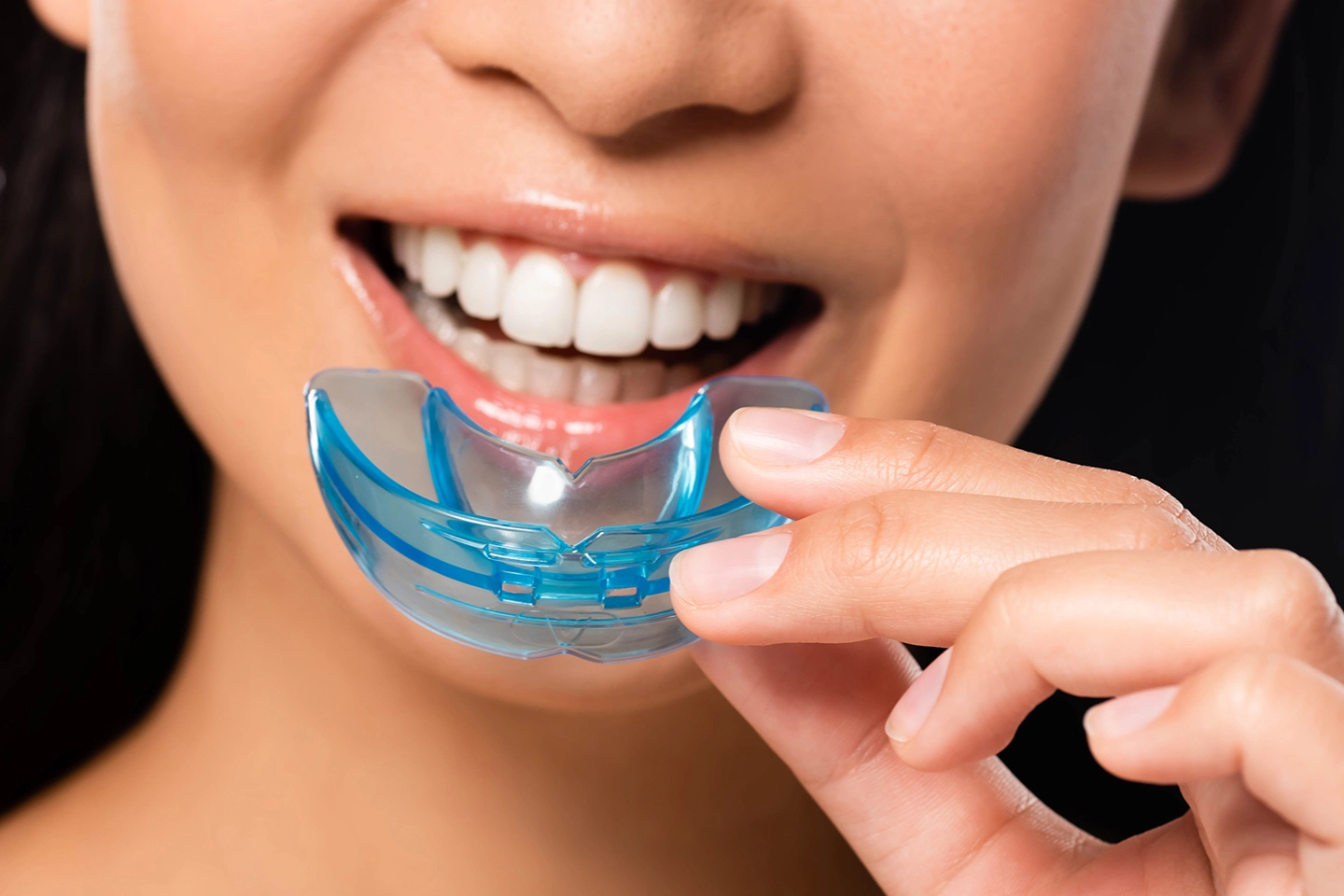
Have you ever looked at a dental guard and wondered if it really matters which one you use? After all, they both look like pieces of plastic that sit over your teeth. But in the world of dental health, using a sports guard for sleeping or a nightguard for soccer is a bit like wearing flip-flops to run a marathon. You technically have shoes on, but they are definitely not doing the job they were built for.
At Taunton Dentistry and Implants, we see a lot of confusion around these two tools. While both are designed to protect your smile, they are fighting very different battles. One is a helmet for your teeth, while the other is more like a shock absorber for your jaw. Let us break down why the difference matters for your comfort and your wallet.
The Sports Mouthguard: Your On-Field Bodyguard
Think of a sports mouthguard as a high-performance piece of athletic equipment. Its entire purpose is to step in front of a sudden, violent impact. Whether it is a stray elbow during a pickup basketball game or an accidental fall on the turf, this guard is there to take the hit so your teeth do not have to.
- The Material: These guards are thick, squishy, and rubbery. They are made to be bulky because that extra padding is what absorbs the energy of a blow.
- The Coverage: A sports guard usually wraps around your teeth and your gums. This is important because it protects your lips and cheeks from getting cut by your own teeth if you get hit in the face.
- The Goal: It is all about preventing trauma. Without one, a single hit can lead to knocked-out teeth, broken roots, or even a fractured jaw.
The Nightguard: Your Midnight Defense
A nightguard is a much more subtle piece of technology. It is not built for a single big impact; it is built to withstand the slow, steady, and incredibly powerful pressure of grinding and clenching while you sleep. This habit, known as bruxism, can exert hundreds of pounds of pressure on your teeth every single night.
- The Material: Nightguards are made of a much harder, thinner, and more durable plastic. They are designed to be sleek, so they do not keep you awake or feel like a mouthful of rubber while you try to rest.
- The Coverage: These are custom-molded to fit your bite perfectly. They create a smooth surface that allows your teeth to glide across each other rather than locking together and wearing down.
- The Goal: It is about preventing wear and tear. A good nightguard saves your enamel, protects expensive dental work like crowns, and helps relax your jaw muscles to prevent those morning headaches.
Why You Should Never Swap Them?
It might be tempting to save a few dollars by using one guard for both situations, but your teeth will pay the price.
The Trouble with Sports Guards at Night: Because sports guards are made of soft, chewy material, your brain often treats them like a chew toy while you sleep. This actually encourages you to clench harder, which can lead to severe jaw pain and muscle tension. Plus, the bulkiness makes it harder to breathe comfortably through the night.
The Danger of Nightguards on the Field: A nightguard is simply too thin and rigid for sports. If a ball hits you in the mouth while you are wearing a hard nightguard, that rigid plastic could shatter or even act as a wedge that splits a tooth. It offers almost zero protection against the kind of blunt-force trauma that happens in sports.
Frequently Asked Questions
Q: How long will my custom guard actually last?
A: Most custom nightguards last between three and five years, depending on how heavy of a grinder you are. Sports guards should generally be replaced every year or season, especially for younger players whose mouths are still growing and shifting.
Q: Can I still wear a guard if I have braces?
A: Absolutely. In fact, it is vital. We can create a specialized sports guard that fits over your brackets to protect both your teeth and the metal. For nightguards, we usually wait until after the braces are off to ensure the fit stays perfect as your teeth move.
Q: Is a custom guard really better than the store-bought ones?
A: The ones from the drugstore are a great temporary fix, but they rarely fit perfectly. A custom guard is made from a 3D scan of your actual teeth. This means it stays in place without you having to clench your jaw to hold it there, which is much better for your long-term joint health.
Q: How do I keep my guard from smelling or getting gross?
A: The best way is to rinse it with cool water the second it comes out of your mouth. Give it a gentle brush with a soft toothbrush and non-abrasive soap. Always let it dry completely before popping it back in its case to keep bacteria at bay.
Keeping Your Smile in the Game
At Taunton Dentistry and Implants, we are here to make sure you have the right protection for your specific lifestyle. Whether you are an athlete or a nighttime grinder, your teeth are an investment worth protecting. We take the time to ensure your guard fits your mouth and your needs perfectly, so you can focus on the game or get a better night of sleep.
Ready to give your teeth the protection they deserve? Contact Taunton Dentistry and Implants today to get started on your custom-fitted guard and keep your smile safe and sound.



Hours
Monday–Thursday: 9 AM – 5 PM
Friday–Sunday: Closed


© 2026 Taunton Dentistry & Implants | All Rights Reserved | Privacy Policy | HIPAA Policy | Digital Marketing by Remedo