
7 Signs You May Be a Candidate for Dental Implants
Living with missing teeth or struggling with loose dentures can get old very quickly. It changes how you chew, makes you hold back your smile in photos, and can even mess with the way you speak. If you are tired of hiding your teeth or constantly adjusting a removable plate during dinner, you are probably ready for a more permanent fix.
Thankfully, dental care has come a long way over the last few decades. You no longer have to settle for traditional bridges that damage neighboring teeth or plastic plates that slide around when you talk. Modern implants offer a way to rebuild your smile from the root up, giving you back a natural feel and reliable stability.
At Taunton Dentistry & Implants PC, we know that choosing how to restore your smile is a major personal decision. If you are weighing your options, looking at your daily habits and oral health can help you figure out if you are a good fit for treatment. Here are seven common signs that you might be an ideal candidate for dental implants in Taunton MA, services.
What Exactly Is a Dental Implant?
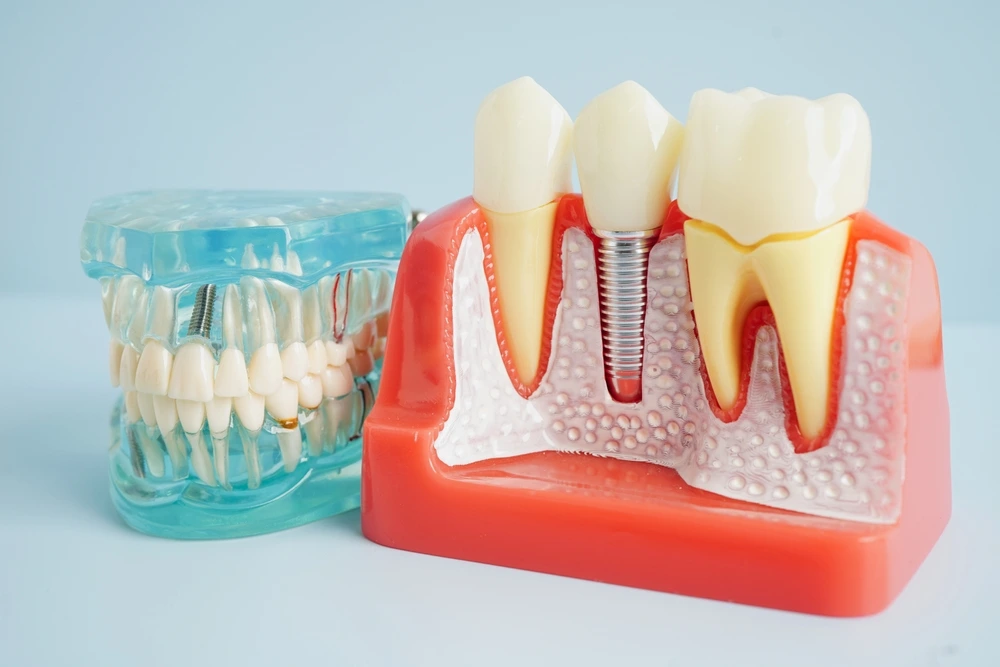
Before looking at the signs, it helps to know how these replacements actually work. Unlike options that simply sit on top of your gums, an implant is a small titanium post that an implant dentist in Taunton places directly into your jawbone. This post takes the place of your missing tooth root.
Over a few months, your jawbone naturally grows around the titanium post, locking it firmly into place. This process creates a rock-solid foundation. From there, your dentist can attach a custom crown, a bridge, or even a full arch of teeth right onto that anchor. The end result is a replacement that stays put, looks real, and lets you chew just like you used to.
Signs You Need a Dental Implant
You Have One or More Missing Teeth
The most obvious sign that you should look into implants is simply having a gap in your smile. Whether you lost a tooth to an old sports injury, a deep fracture, or severe decay, leaving that empty space alone can cause long-term trouble for the rest of your mouth.
When a tooth is gone, the teeth on either side lose their physical support. Over time, they will naturally start to tip, drift, and shift into that open space. This movement can throw off your bite, create hard-to-clean traps for plaque, and cause uneven wear on your jaw. Getting a permanent tooth replacement Taunton MA option keeps your remaining teeth properly aligned and stable.
Your Current Dentures Shift or Slip Around
While traditional dentures have helped a lot of people, they often come with daily frustrations. Many denture wearers find that their prosthetic teeth slip, click, or wobble when they try to laugh out loud or speak quickly. It can lead to some really uncomfortable moments and a constant worry that your teeth might move at the wrong time.
Loose dentures can also rub against your sensitive gums, causing painful raw spots. If you find yourself constantly buying messy adhesives just to make it through a normal lunch, it is worth looking into an alternative. Upgrading to full-mouth dental implants Taunton MA systems anchors your new teeth directly to the bone, completely eliminating slips and the need for daily creams.
You Avoid Eating Your Favorite Foods
A compromised smile can completely change how you eat. When you have missing teeth or loose dental appliances, chewing tough, crunchy, or chewy foods can become genuinely painful. Many people find themselves quietly passing on steaks, fresh apples, nuts, and raw vegetables, sticking strictly to a soft diet instead.
Limiting your food choices like this makes it tough to get the daily nutrition your body needs to stay healthy. Because implants match the deep root structure of your original teeth, they restore your natural biting power. This stability means you can eat a wide variety of healthy foods comfortably without worrying about your teeth breaking or shifting.
You Want to Keep Your Jawbone from Shrinking
Many people don't realize that your jawbone actually needs continuous stimulation to stay strong and dense. This stimulation comes directly from the everyday pressure of your tooth roots biting and chewing. When you lose a tooth, that local stimulation stops completely.
Without a root to support, the jawbone in that area will naturally begin to dissolve and recede over time. This bone loss can eventually cause your cheeks to look hollowed out and your chin to shift forward, making your face look older than it is. Because implants mimic natural roots, they give your jawbone the physical stimulation it needs to stay healthy, helping preserve your natural facial structure.
You Have a Severe Infection or a Broken Tooth
Sometimes the issue isn't an empty space, but a tooth that is currently causing severe pain or health problems. If you have a tooth that is split deeply into the root, or one with a massive infection that can't be fixed with a root canal, keeping it in your mouth can jeopardize your surrounding teeth.
In these situations, the healthiest move is often to have the problem tooth removed. Once the area clears up and heals, an implant can go right into the space. This allows you to smoothly transition from a painful, failing tooth to a clean, strong replacement that functions beautifully.
You Have Healthy Gums and Enough Bone Density
To be a successful candidate for this procedure, your mouth needs to be a healthy environment for healing. This means your gums must be free from active periodontal disease. If you currently have gum inflammation, that issue will just need to be treated and cleared up before you move forward with implant surgery.
You also need enough healthy bone structure to completely surround and support the titanium post. If you have been missing a tooth for a long time and the bone has already thinned out, don't worry. Advanced techniques like bone grafting can often rebuild the area, creating the solid foundation needed for a successful placement.
You Want a Reliable, Low-Maintenance Solution
If you are looking for a replacement option that doesn't require a complicated daily routine, implants are a great fit. Traditional bridges require a dentist to grind down perfectly healthy neighboring teeth for support, and partial dentures have to be taken out and soaked every single night.
Implants are built to be a permanent part of your smile. You care for them exactly like you do your natural teeth. Regular brushing, daily flossing, and routine dental cleanings are all it takes to keep them in great shape. With proper care and good oral hygiene, they can last for years, making them an excellent long-term investment in your health.
The Modern Approach to Care
The process of getting implants has become much smoother and more predictable than it used to be, thanks to modern diagnostic tools. By utilizing digital implant dentistry Taunton technology, providers can take detailed three-dimensional images of your jaw structure before the procedure even begins.
This advanced imaging allows the clinical team to map out the exact position, angle, and depth for the implant post ahead of time on a computer screen. This meticulous planning takes the guesswork out of the surgical appointment, leading to smaller incisions, faster healing times, and highly precise results.
If you are considering dental implants to replace missing teeth, reach out to Taunton Dentistry & Implants today. We are here to help you understand your options and guide you through a comfortable, modern treatment plan designed just for you.
Frequently Asked Questions
Q: Does the dental implant procedure hurt?
A: The procedure is performed using local numbing options to completely freeze the treatment area, so you should not feel sharp pain during the appointment. Most patients describe feeling a dull pressure or vibration. After the numbing wears off, any mild soreness can typically be managed easily with standard over-the-counter pain relievers.
Q: How long does the entire implant process take?
A: The timeline varies depending on your individual healing rate and whether you need preliminary treatments like bone grafting. Generally, after the implant post is placed, it takes three to six months for the bone to fully fuse with the titanium. Once that healing is complete, the final custom crown is securely attached.
Q: Are dental implants visible to other people?
A: No, the final restoration is custom crafted to match the exact shade, shape, and size of your surrounding natural teeth. The implant post itself sits entirely hidden beneath your gumline, so the replacement blends in seamlessly with the rest of your smile.
Q: Can smokers get dental implants?
A: Smoking can slow down your body's natural healing process and lower the success rate of the implant fusing with the bone. While being a smoker does not completely disqualify you from treatment, it is highly recommended that you pause smoking before and after the procedure to give your mouth the best chance to heal cleanly.
Q: How do I know if I have enough bone for the procedure?
A: A comprehensive examination using detailed digital three-dimensional scans is the only way to accurately evaluate your bone volume. If the scans show that your bone is too thin or shallow, a bone graft can often be performed to add the necessary density before the implant is placed.



Hours
Monday–Thursday: 9 AM – 5 PM
Friday–Sunday: Closed


© 2026 Taunton Dentistry & Implants | All Rights Reserved | Privacy Policy | HIPAA Policy | Digital Marketing by Remedo