
Can a Root Canal Fail? Causes and Retreatment Options
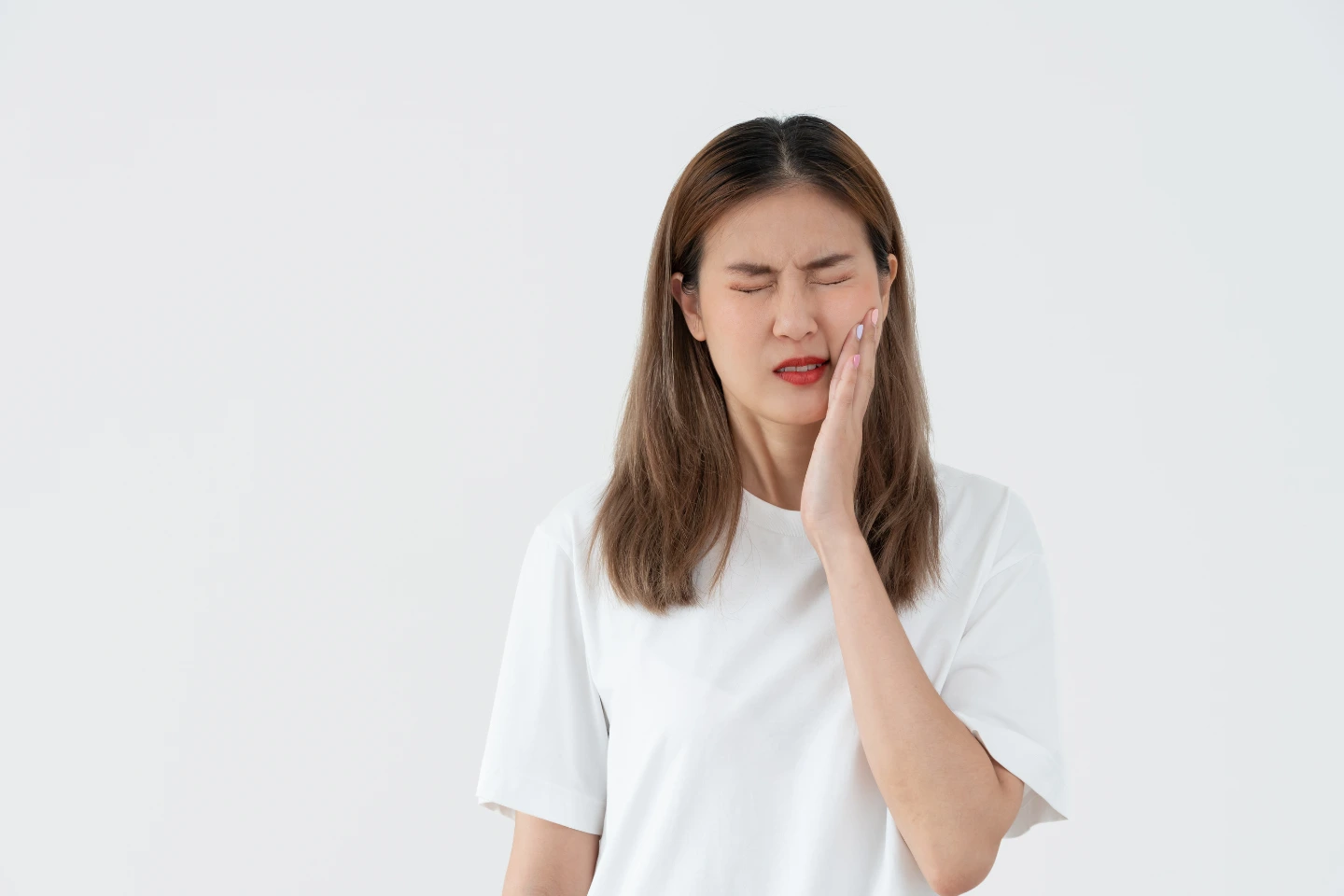
We have all been there. You handle a problem, check it off your list, and move on. For a Taunton resident like Sarah, that problem was a painful molar. She had a root canal two years ago; the relief was instant, and she figured that was the end of the story. She went back to enjoying dinner at her favorite local spots and forgot all about that tooth. But then, out of nowhere, a familiar dull ache returned. At first, she tried to ignore it, thinking it was just a bit of gum sensitivity. Within a week, the throbbing was back, and Sarah was left wondering how a tooth with no nerve could possibly hurt again.
The truth is that while root canal therapy has a success rate well over ninety-five percent, it can occasionally run into trouble down the road. It is incredibly frustrating to deal with a recurring issue, but a failing root canal is not a lost cause. If you are feeling that telltale pressure or sensitivity in a tooth that was already treated, it does not mean you are destined for an extraction. There are very effective ways to go back in, clear out the new infection, and save your natural smile.
Why a Treated Tooth Might Start Hurting Again?
When we perform a root canal, the goal is to clean out every microscopic bit of bacteria from the inside of the tooth and seal it up tight. It is a very detailed process, but because every mouth is different, nature sometimes finds a way back in. A failure usually happens when the sterile environment inside the tooth is compromised, allowing a new colony of bacteria to settle in.
Often, this happens so slowly that you do not even realize there is a problem. You might feel perfectly fine until a routine X-ray at our office shows a small shadow near the root. That shadow is usually a sign that the bone is reacting to a quiet infection. Catching it early is always the goal, as it gives us the best chance to fix the issue before it turns into a full-blown emergency.
Common Culprits Behind Root Canal Failure
If you are dealing with a reinfection, it is usually due to one of a few specific factors. Knowing what went wrong is the first step toward making it right.
Hidden or Curved Canals
The inside of a tooth is not always a straight line. Some teeth have roots that curve sharply or tiny accessory canals that are thinner than a human hair. If one of these small branches was missed during the initial treatment, the bacteria hiding inside can eventually multiply and spread to the surrounding bone.
The Timing of the Final Restoration
A root canal cleans the tooth, but a crown protects it. If there was a long gap between your root canal and getting your permanent crown placed, the temporary seal might have let in a bit of saliva. Even a tiny amount of moisture can carry enough bacteria to reinfect the area before the final crown is even seated.
New Damage to the Tooth
Life happens. You might bite down on something hard and cause a tiny fracture in the tooth, or a new cavity might form along the edge of an old crown. These small openings act like a doorway for bacteria. Once they get past the outer layer of the tooth, they head straight for the roots.
Blockages in the Canal System
In some cases, the previous dentist might have run into a blockage like a hardened calcium deposit. If they could not reach the very end of the root to clean it, a small pocket of bacteria might have remained. Over time, that pocket can grow into a larger infection that causes pain or swelling.
How to Tell if Your Root Canal is Failing
Your body is usually pretty good at letting you know when something is wrong. If you notice any of these signs, it is worth a trip to see us for an evaluation.
Tenderness When You Chew
If you find yourself avoiding one side of your mouth because a specific tooth feels tender when you bite down, that is a major red flag. It often means the ligament holding the tooth in place is inflamed due to an infection at the root tip.
Gums That Feel Puffy or Sore
Check the area around the tooth for any redness or swelling. You might even notice a small bump on the gums that looks like a blemish. This is a common sign of an abscess, which is basically your body trying to drain an infection.
A Strange Taste or Odor
If you have a persistent bad taste in your mouth that does not go away with brushing, it could be a sign of a localized infection. This often goes hand in hand with a dull, constant ache in the jaw.
The Retreatment Process: A Second Chance for Your Tooth
If we determine that your root canal has failed, the most likely solution is endodontic retreatment. Think of this as a deep clean for the inside of your tooth.
We start by carefully removing the existing crown and the old filling material from inside the roots. Using high-powered magnification, we can see exactly what is happening inside the tooth. This allows us to find those hidden canals or identify any cracks that might have caused the initial failure. We then thoroughly disinfect the space, reshape the canals, and seal them with fresh, sterile material.
Most people find that retreatment is no more uncomfortable than the original procedure. The goal is to remove the source of your pain so you can get back to your normal routine without worrying about your tooth.
Making the Best Choice for Your Health
Our priority is always to keep your natural teeth healthy and functional. This is why we focus so much on General Dentistry and Preventative Dentistry. When we can save a tooth through retreatment, it is almost always the best path forward.
However, if a tooth is too badly damaged to be saved, we have other ways to restore your smile. We offer Restorative Dentistry options that look and feel completely natural. For many patients, Dental Implants are the perfect way to replace a failing tooth and prevent future problems with the rest of the mouth.
Frequently Asked Questions
Q: Why does my tooth hurt if the nerve was removed?
A: While the nerve inside the tooth is gone, the tissues and bone surrounding the root are still very much alive. When bacteria leak out of the root, they cause inflammation in those surrounding areas, which is what you are feeling as pain.
Q: Is retreatment going to take multiple visits?
A: It depends on the level of infection. Sometimes we can finish everything in one go, but other times we might place a medication inside the tooth for a week or two to make sure the bacteria are completely gone before we seal it up.
Q: Can I just take a round of antibiotics instead?
A: Antibiotics can help settle the symptoms, but they are a temporary fix. They cannot get inside the root canal to kill the source of the bacteria. Without physical cleaning, the pain will almost certainly come back.
Q: Will I need a new crown after retreatment?
A: Yes, in almost every case. Since we have to go through the old crown to reach the canals, we will need to place a fresh, new crown to ensure the tooth is strong and sealed against future infection.
Q: Is retreatment successful?
A: Yes, retreatment has a very high success rate. It is a proven way to extend the life of a tooth that would otherwise need to be pulled.
Q: How do I know if I should get an implant instead?
A: We will look at the structural integrity of your tooth. If there is a vertical crack in the root or significant bone loss, an implant might be the more predictable long-term solution. We will talk through both options with you during your exam.
Q: Does my dental insurance cover this?
A: Most plans do cover a portion of retreatment. Our team can run a pre-estimate for you so you know exactly what to expect before we get started.
Get the Relief You Need in Taunton
At Taunton Dentistry & Implants PC, we do not want you to live with the stress of dental pain. Whether you need a second look at an old root canal or you are interested in Cosmetic Dentistry to improve your smile, we are here to help. Our team takes a gentle, patient-first approach to everything we do.
If you are worried about a tooth or just want to get back on track with your oral health, give us a call. We can look at the tooth, explain what is happening, and help you decide on the best path forward. Let us help you keep your smile healthy and pain-free for years to come.



Hours
Monday–Thursday: 9 AM – 5 PM
Friday–Sunday: Closed


© 2026 Taunton Dentistry & Implants | All Rights Reserved | Privacy Policy | HIPAA Policy | Digital Marketing by Remedo