
How Successful Is Invisalign? Success Rates, Limitations, and Benefits
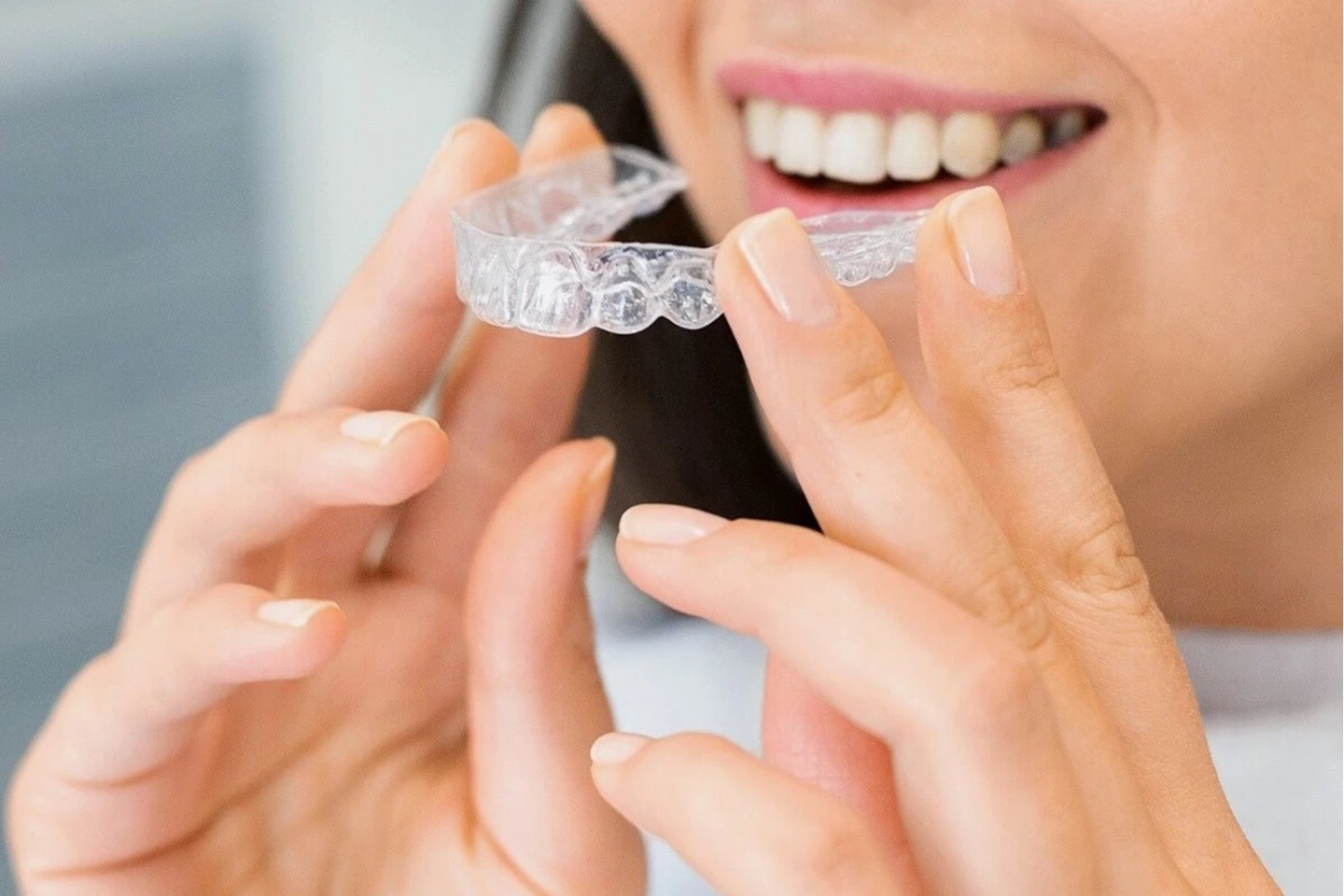
Wondering how to fix a gap or align a crooked tooth without traditional braces? Clear aligners have likely crossed your mind. The appeal is pretty simple: you get to straighten your teeth without dealing with metal brackets or poking wires.
Of course, starting orthodontics is a big decision, so it makes sense to ask: Can clear aligners really match the performance of classic braces?
Breaking down how well aligners work, where they hit their limits, and how they simplify daily life helps set realistic expectations for your smile journey.Here is an honest, detailed look at how successful Invisalign can be and what determines a great outcome.
What Does the Science Say About Invisalign Success Rates?
Research suggests clear aligners can be effective for many mild to moderate orthodontic problems. For many patients dealing with standard crowding, spacing, or mild bite misalignment, modern clear aligners can deliver results that are comparable to traditional metal braces in selected cases.
That said, success in orthodontics is rarely a static percentage. The predictability of your outcome depends heavily on what kind of tooth movements are required.
- High Predictability: Closing small gaps, correcting mild to moderate crowding, and shifting teeth side-to-side along the arch.
- Moderate Predictability: Correcting mild overbites, underbites, or rotating some teeth.
- Lower Predictability: Extruding a tooth (pulling a tooth further out of the gums) or severely rotating a conical tooth.
To boost precision for complex movements, modern aligner treatment often incorporates tiny, tooth-colored shapes called attachments or buttons. Bonded temporarily to specific teeth, these tooth-colored points can help the aligners control certain tooth movements.
Key Benefits of Choosing Clear Aligners
It is no secret that clear aligners have transformed modern orthodontics. Patients love the system not just because it works, but because it fits so seamlessly into a busy adult or teenage routine.
Discreet Appearance
The primary draw for most adults is subtlety. Made from clear SmartTrack material, the trays sit flush against your teeth. The aligners are designed to be discreet and are generally difficult to notice.
No Food Restrictions
With fixed metal braces, certain sticky, hard, or crunchy foods may need to be avoided to prevent broken brackets. With aligners, you simply pop the trays out before meals, enjoy whatever food you like, and brush your teeth before slipping them back in.
Easier Oral Hygiene
Cleaning around metal brackets and under archwires requires specialized flossing tools and extra patience. Clear aligners allow you to brush and floss normally every morning and night, keeping your gums healthier and reducing the risk of plaque buildup during treatment.
Enhanced Comfort
While your teeth will feel slightly tender for the first day or two after switching to a new set of trays, smooth plastic may be more comfortable for some patients than brackets and wires.
Where Invisalign Hits Its Limits
While aligner technology has advanced leaps and bounds over the past decade, clear plastic trays still have structural limitations. They are incredible tools, but they are not a magic wand for every single clinical situation.
Complex Bite Issues and Severe Malocclusion
While aligners can correct many mild to moderate bite issues, severe cases, such as extreme overbites, pronounced underbites, or significant jaw discrepancies, may be better suited to traditional fixed braces or, in some cases, combined orthodontic and surgical treatment.
Severely Rotated or Impacted Teeth
If a tooth is turned sharply on its axis or sits deep within the bone structure, clear trays can struggle to get enough grip to twist it into place. Fixed brackets often provide superior 360-degree control for severe tooth rotations.
Uncooperative Compliance
Perhaps the biggest limitation of clear aligners has nothing to do with plastic and everything to do with habits. Because the trays are removable, treatment success depends heavily on patient compliance.
For aligners to work, they need to stay on your teeth for at least 22 hours a day, only coming out to eat, drink anything other than plain water, and brush. Leaving aligners sitting on a nightstand or slipping them into a pocket for hours at a time causes tooth movement to stall. Inconsistent wear is a common reason aligner treatment falls behind schedule or does not reach its planned goal.
What Determines Your Overall Success?
Achieving a straight, healthy smile with aligners comes down to a partnership between three core elements:
- Proper Case Selection: A skilled doctor knows when aligners are the ideal tool and when traditional braces might serve your bite better.
- Patient Discipline: Committing to the 22-hour daily wear rule helps keep treatment on schedule.
- Refinement Trays: It is common for a few stubborn teeth to lag behind near the end of your original set of trays. Getting a short "refinement" set of aligners at the end of treatment may be needed to fine-tune the final result.
Transform Your Smile in Taunton, MA
Deciding to straighten your teeth is an exciting milestone, but you do not have to guess whether clear aligners are right for your specific bite. Having a knowledgeable, attentive team evaluate your smile can help you determine whether clear aligners are appropriate for your specific bite.
If you are curious about transforming your smile with Invisalign in Taunton, MA, the caring team at Taunton Dentistry & Implants is ready to help you explore your treatment options. Our practice provides comprehensive digital consultations, personalized treatment plans, and gentle care tailored to your daily routine. Call our Taunton office today to schedule your consultation and take the first step toward a confident smile.
Frequently Asked Questions
Q: How many hours a day do I really need to wear my aligners?
A: To keep your teeth moving on track, you should wear your aligners for at least 22 hours every single day. Trays should only be removed when eating, drinking anything other than water, and completing your daily brushing and flossing routine.
Q: How long does Invisalign treatment usually take?
A: Treatment time varies depending on the complexity of the case and the movements needed. Your doctor will map out an estimated timeline during your initial consultation.
Q: Will wearing aligners change the way I speak?
A: You might notice a slight, minor lisp for the first couple of days as your tongue adjusts to the thin plastic trays. As your mouth adapts, your speech generally adjusts to the aligners.
Q: Are clear aligner trays uncomfortable to wear?
A: Most patients describe a feeling of firm pressure rather than pain when starting a new set of aligners. This temporary tightness is a common response as the aligners apply pressure to move your teeth.
Q: Do I need to wear a retainer after completing aligner treatment?
A: Yes. Retainers are generally recommended after aligner treatment to help maintain your teeth in their new positions. Your doctor will recommend a retention plan based on your individual needs.



Hours
Monday–Thursday: 9 AM – 5 PM
Friday–Sunday: Closed


© 2026 Taunton Dentistry & Implants | All Rights Reserved | Privacy Policy | HIPAA Policy | Digital Marketing by Remedo