
How to Eat Comfortably With New Dentures
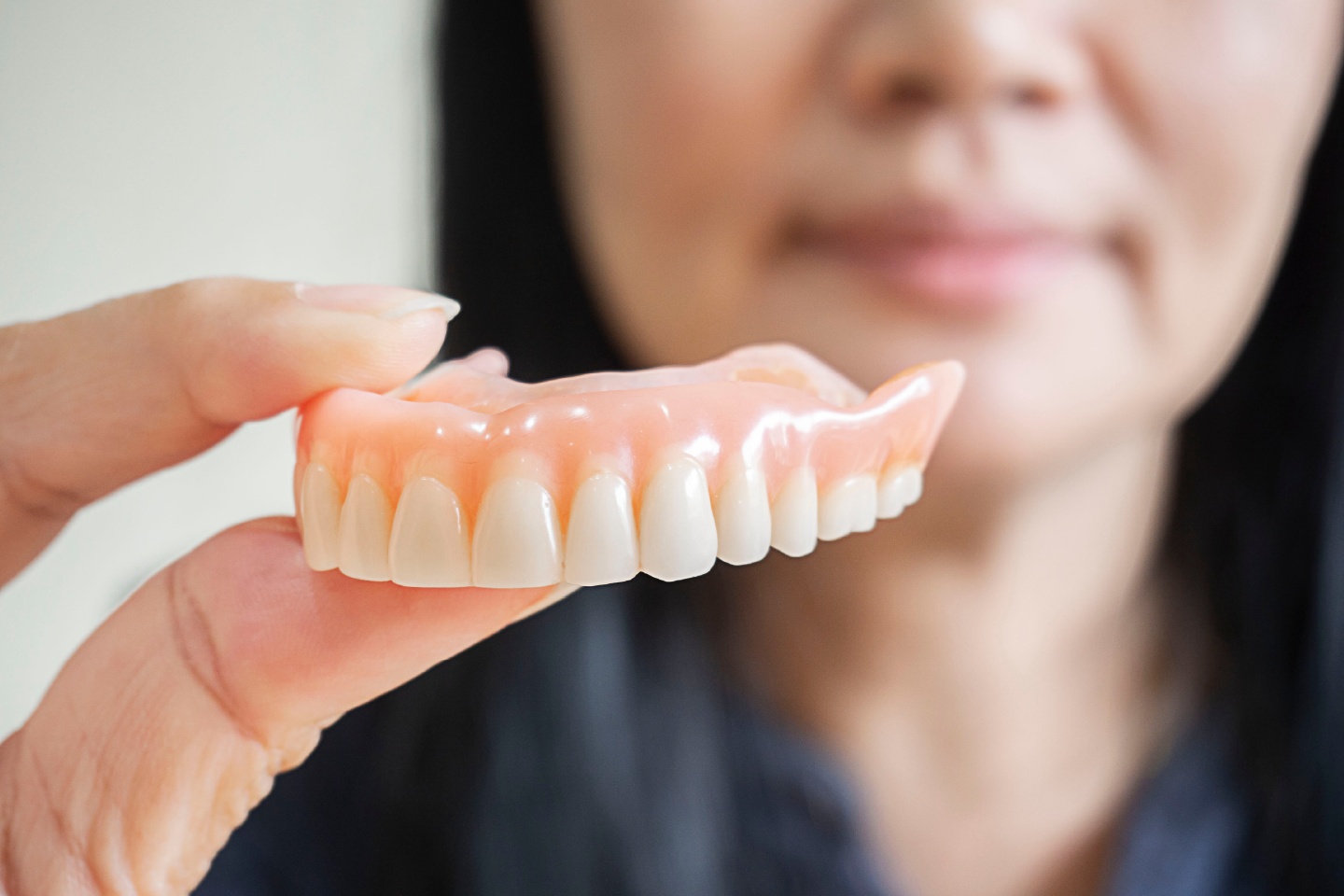
One of the biggest concerns we hear from patients getting dentures is whether they will ever be able to enjoy a meal again. Food is such a huge part of our social lives and our personal joy, so the idea of struggling through a dinner out can feel overwhelming. The good news is that while there is definitely a learning curve, you absolutely can return to eating the foods you love. It just takes a little bit of strategy and a dose of patience.
At Taunton Dentistry and Implants, we want your transition to dentures to be as seamless as possible. Think of your new dentures like a new pair of shoes; you probably wouldn't hike a mountain in them on day one. You have to break them in, and your mouth has to learn a new way of working. Here is how you can navigate those first few weeks and get back to enjoying your favorite flavors.
Start Small and Soft
For the first few days, your gums will likely be a bit tender. This is the perfect time to stick to a liquid or very soft diet. Think of things like smoothies, yogurt, applesauce, or lukewarm soups. Avoiding hot liquids is also a good idea initially, as dentures can insulate your mouth, making it harder to judge the temperature of your food until it is too late.
As the initial tenderness fades, move on to soft solids. Scrambled eggs, flaky fish, mashed potatoes, and well-cooked pasta are excellent bridge foods. They require very little force to chew but allow you to start practicing the mechanics of using your new teeth.
The Secret of Binary Chewing
When we have natural teeth, we tend to chew on one side of the mouth or the other. If you do this with dentures, it can cause the appliance to tip or lose its seal on the opposite side.
The secret to stability is "binary chewing." Try to distribute your food evenly on both sides of your mouth. By chewing with your back teeth on both sides at the same time, you keep the pressure even, which helps the dentures stay firmly in place. It feels a little strange at first, like trying to pat your head and rub your stomach, but it quickly becomes second nature.
Mind Your Bite
With natural teeth, we often use our front teeth to bite directly into things like corn on the cob or a thick sandwich. With dentures, this forward-pulling motion is often what causes them to displace.
Instead of biting into food with your front teeth, try cutting your food into smaller, bite-sized pieces. If you really want to eat something like a piece of bread or a firm fruit, try to bite with your side teeth (the premolars) rather than the very front. This keeps the pressure more centralized and prevents the back of the denture from "lifting" off your gums.
Watch Out for the Tricky Foods
Some foods are naturally more challenging for denture wearers. Being aware of them can help you avoid a frustrating dining experience:
- Sticky Foods: Things like taffy, caramel, or even very doughy white bread can stick to the denture and pull it away from the gums.
- Small, Hard Bits: Foods with small seeds (like strawberries or sesame seeds) or cracked pepper can sometimes get trapped underneath the denture base, causing sudden irritation.
- Tough Meats: A thick steak or fibrous celery can be difficult to break down initially. Opt for slow-cooked meats or ground options until you feel like a pro.
Frequently Asked Questions
Q: Why does food taste different since I got dentures?
A: Because the denture covers the roof of your mouth, which contains some sensory cells, your sense of taste and temperature might feel a bit muted at first. However, most of your taste buds are on your tongue, so as your brain adjusts to the feel of the denture, your sense of taste usually returns to normal.
Q: Do I need to use denture adhesive to eat?
A: Many people find that a small amount of adhesive gives them extra confidence during the transition period. However, a well-fitting denture should stay in place with natural suction and muscle control. If you feel you need a thick layer of paste just to eat soft food, come see us for an adjustment.
Q: Is it normal for my dentures to "click" when I chew?
A: Clicking usually happens if you are chewing too fast or if the dentures are slightly loose. Try slowing down your chewing rhythm. If the clicking persists, it might mean the teeth are meeting at the wrong angle, which is a quick fix we can handle in the office.
Q: How long until I can eat a normal meal again?
A: Most patients find that they are back to a relatively normal diet within four to eight weeks. Everyone heals and adapts at a different pace, so do not feel discouraged if it takes you a little longer. The key is to keep practicing!
Your Success is Our Goal
At Taunton Dentistry and Implants, we are here to ensure your dentures are more than just a replacement for missing teeth; they are a tool for a better quality of life. If you are struggling with your bite or find that eating remains a challenge, please reach out to us. Often, a tiny adjustment to the surface of the denture can make a world of difference in how you process food.
Are you ready to rediscover the joy of eating? Contact Taunton Dentistry and Implants today for a check-up or to discuss how we can make your dentures fit more comfortably.



Hours
Monday–Thursday: 9 AM – 5 PM
Friday–Sunday: Closed


© 2026 Taunton Dentistry & Implants | All Rights Reserved | Privacy Policy | HIPAA Policy | Digital Marketing by Remedo