
Do Dentures Hurt? Tips for a Comfortable Fit
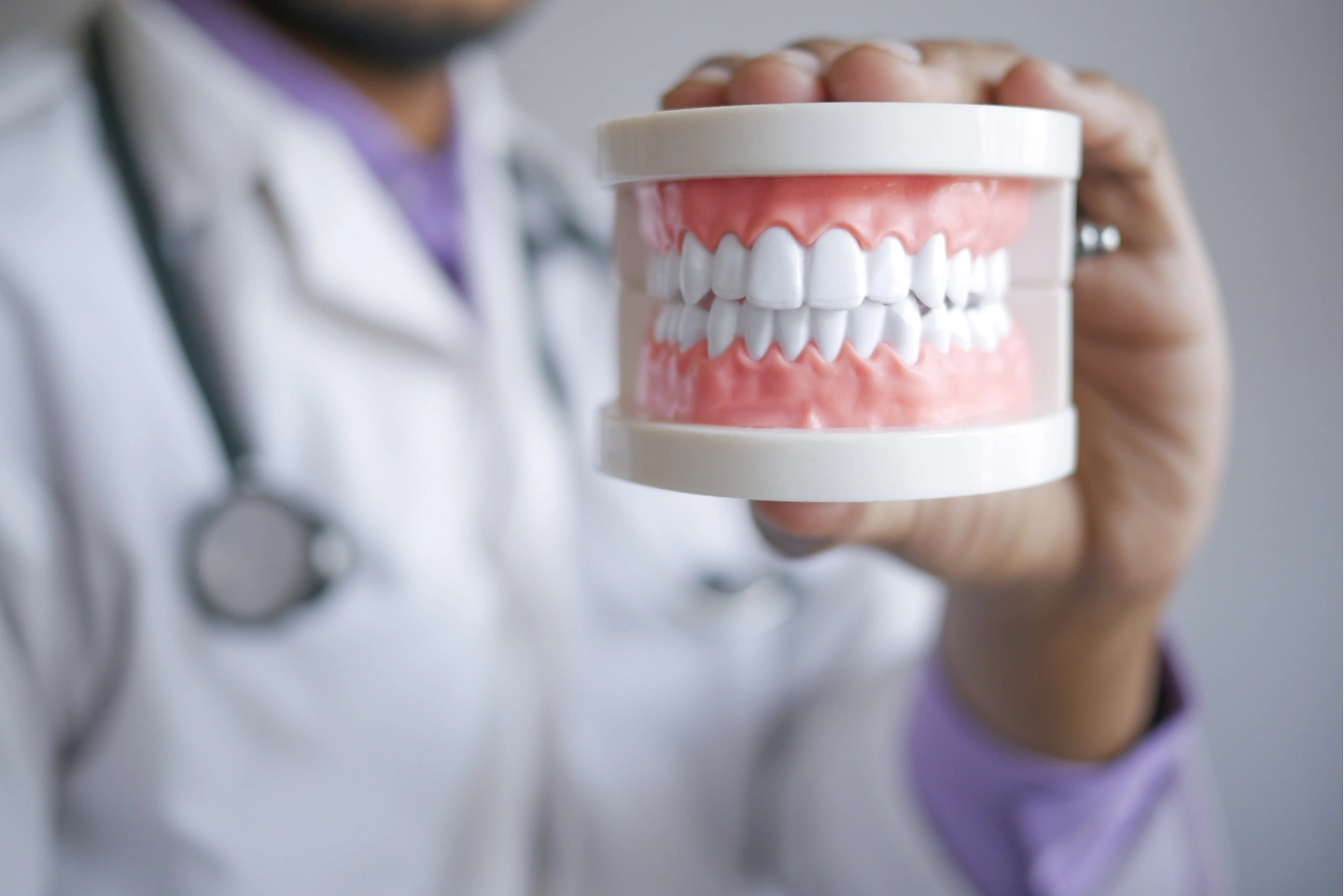
If you are considering dentures or have recently started wearing them, the question of comfort is likely at the top of your mind. We have all heard the old stories about clunky, painful "false teeth" that click when you talk or slip when you eat. It is enough to make anyone feel a bit nervous. However, modern dentistry has come a long way, and the dentures of today are designed to be far more natural and comfortable than those of previous generations.
At Taunton Dentistry and Implants, we believe that no one should have to choose between having a full smile and living free of pain. While there is always a transition period when you get something new, dentures should not be a source of constant discomfort. Let us look at what to expect and how you can ensure your new smile feels as good as it looks.
What to Expect During the Adjustment Period?
It is perfectly normal for new dentures to feel a bit awkward at first. Your mouth is incredibly sensitive, and it needs time to get used to the feel of the base against your gums and the new way your tongue moves when you speak.
During the first few weeks, you might experience a little soreness or even some extra saliva. Think of it like breaking in a new pair of high-quality leather shoes. They might feel stiff and cause a tiny bit of irritation on the first day, but as you wear them, they settle in and become part of your daily life. If you do notice a specific sore spot, that is usually a sign that a small adjustment is needed, not that dentures are supposed to be painful.
Making the move to dentures is a big change, but there are several things you can do to make the transition smoother and more comfortable.
Start with Soft Foods: For the first few days, stick to a diet of softer foods like yogurt, mashed potatoes, or eggs. As you get more confident, slowly introduce firmer foods. A great trick is to cut your food into smaller, bite-sized pieces and chew using both sides of your mouth simultaneously. This helps keep the dentures stable and prevents them from tipping or putting uneven pressure on your gums.
Practice Speaking Out Loud: Your tongue needs to relearn where to go to make certain sounds. If you find yourself lisping or if your dentures click, do not worry! Try reading a book out loud or talking to yourself in the mirror. Practice saying words with "s" and "f" sounds. The more you talk, the faster your facial muscles will adapt to the new appliance.
Give Your Gums a Break: Your gums need rest just like the rest of your body. It is important to take your dentures out every night before you go to sleep. This allows the soft tissues in your mouth to breathe and helps prevent infections or inflammation. Store them in a glass of water or a specialized soaking solution so they stay moist and keep their shape.
Why a Proper Fit is Key?
The secret to comfortable dentures is a precision fit. Over time, the bone and gum tissue in your jaw can naturally shift or shrink. This is why a denture that fit perfectly three years ago might start to feel loose or cause sores today.
If your dentures start to "float" or if you find yourself using more and more adhesive just to get through lunch, it is time for a reline. A reline is a simple process where we update the underside of the denture to match the current shape of your gums. Regular check-ups allow us to catch these changes early, ensuring your dentures always feel secure and comfortable.
Frequently Asked Questions
Q: How long does it take for dentures to stop feeling weird?
A: For most people, the "new" feeling starts to fade after about thirty days. By the end of the first month, your muscles have usually learned how to hold the dentures in place naturally, and any initial soreness has typically subsided.
Q: Do I still need to see the dentist if I have full dentures?
A: Yes! Even if you do not have any natural teeth left, we still need to check the health of your gums and perform oral cancer screenings. We also check the fit of your dentures to make sure they are not causing hidden bone loss or irritation.
Q: Can dental implants make dentures more comfortable?
A: Absolutely. Many patients choose "implant-supported dentures." We place a few small implants that the denture clicks into. This provides incredible stability, eliminates the need for adhesives, and prevents the denture from moving around, which significantly increases comfort.
Q: What should I do if I get a sore spot?
A: If a sore spot develops, do not try to "file down" the denture yourself! Give us a call. We can make a tiny, precise adjustment in the office that will provide instant relief without damaging the denture.
We Are Here to Support Your Smile
At Taunton Dentistry and Implants, we do not just hand you a set of dentures and send you on your way. We are your partners in this transition. We take the time to listen to your concerns and make sure every adjustment is handled with care. We want you to feel confident when you laugh, eat, and speak with your friends and family.
Are you struggling with uncomfortable dentures or considering a new smile? Contact Taunton Dentistry and Implants today to schedule a consultation. Let us help you find the comfortable, secure fit you deserve.



Hours
Monday–Thursday: 9 AM – 5 PM
Friday–Sunday: Closed


© 2026 Taunton Dentistry & Implants | All Rights Reserved | Privacy Policy | HIPAA Policy | Digital Marketing by Remedo